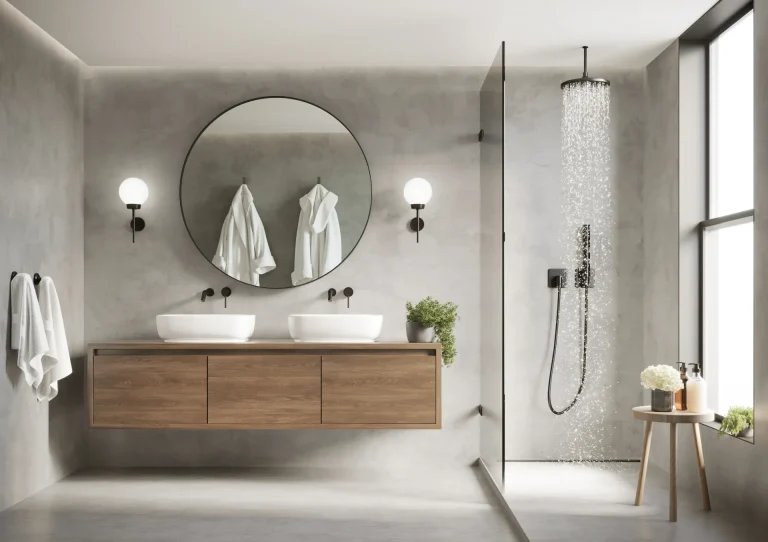
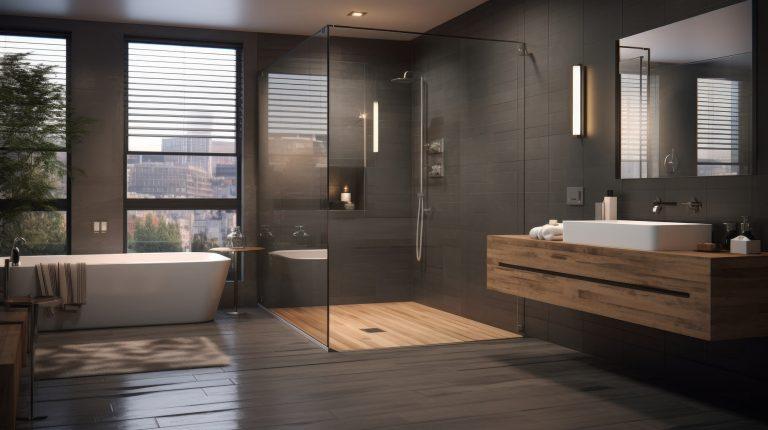
Creating a bathroom that caters to the needs of an entire family is both a practical and rewarding task. A family-friendly bathroom must balance style with functionality, ensuring it is safe, accessible, and enjoyable for everyone, from toddlers to teenagers and beyond. If you’re planning a renovation or building a new bathroom, here’s a comprehensive guide on how to design a space that meets the needs of your family while remaining stylish and functional.
1. Prioritise Safety
Safety is paramount when designing a family-friendly bathroom. Consider the following features to ensure the space is safe for all family members:
- Anti-Slip Flooring: Opt for flooring that is slip-resistant to prevent accidents. Materials like textured vinyl, rubber, or non-slip ceramic tiles are excellent choices. Ensure that any rugs or mats are securely fastened to avoid tripping hazards.
- Rounded Edges: Choose fixtures and furniture with rounded or softened edges to reduce the risk of injury, especially in a bathroom used by young children.
- Grab Bars: Install sturdy grab bars near the toilet and in the shower or bath area to provide support and stability. These can be especially helpful for elderly family members or those with mobility issues.
- Non-Toxic Materials: Use low-VOC (volatile organic compounds) paints and finishes to improve indoor air quality and reduce exposure to harmful chemicals.
2. Design for Accessibility
A family-friendly bathroom should be accessible to everyone, regardless of age or physical ability. Here’s how to achieve that:
- Low-Height Fixtures: Install fixtures such as sinks and counters at a height that is comfortable for children and adults alike. Consider a double sink or a shallow sink to accommodate different needs.
- Easy-to-Use Controls: Choose lever-style faucets and easy-to-reach controls for showers and baths. These are simpler for small children and elderly family members to operate.
- Walk-In Shower: A walk-in shower with no step-over threshold is accessible for children, elderly users, and individuals with mobility challenges. Incorporate a built-in bench for convenience.
- Comfort-Height Toilet: Install a comfort-height toilet that is easier for both children and adults to use. This can reduce strain and improve accessibility for everyone.
3. Incorporate Smart Storage Solutions
A well-organised bathroom is essential for a family. Implement these storage ideas to keep the space tidy and functional:
- Built-In Shelves: Use built-in shelves or cabinets to store toiletries, towels, and cleaning supplies. Open shelves can be convenient for frequently used items, while closed cabinets keep clutter out of sight.
- Drawer Organisers: Install drawer organisers to keep small items like toothbrushes, combs, and hair accessories neatly arranged. This makes it easier for everyone to find what they need quickly.
- Multi-Functional Furniture: Consider incorporating furniture that doubles as storage, such as a bench with hidden compartments or a cabinet with a built-in laundry hamper.
- High and Low Storage: Include storage options at different heights to accommodate both adults and children. Low shelves or drawers can be accessible to young kids, while higher storage is ideal for adult items.
4. Choose Durable and Easy-to-Clean Materials
Family bathrooms experience heavy use, so selecting durable and easy-to-maintain materials is crucial:
- Water-Resistant Surfaces: Use water-resistant materials for walls, floors, and countertops. Options like ceramic tiles, quartz countertops, and moisture-resistant paint can withstand high humidity and frequent cleaning.
- Stain-Resistant Fabrics: Choose stain-resistant fabrics for shower curtains and bath mats. Materials that can be easily washed or replaced will help maintain a fresh appearance.
- Easy-to-Clean Fixtures: Select fixtures with smooth, non-porous surfaces that are easy to wipe clean. Avoid intricate designs that can trap dirt and grime.
5. Create a Fun and Functional Design
Incorporating playful yet practical design elements can make the bathroom enjoyable for kids while still appealing to adults:
- Bright Colours and Patterns: Use vibrant colours and fun patterns for tiles, towels, and accessories. Bright hues can make the bathroom more engaging for children, while neutral tones and sophisticated designs can balance the space for adults.
- Themed Decor: Consider a theme that reflects your family’s interests or favourite characters. Themes like sea creatures, outer space, or nature can make bath time more enjoyable for young children.
- Interactive Features: Install features such as a chalkboard wall or a fun showerhead to make the bathroom more interactive for kids. This can make daily routines more enjoyable.
6. Ensure Adequate Lighting
Good lighting is essential for both safety and functionality in a family-friendly bathroom:
- Layered Lighting: Incorporate a combination of ambient, task, and accent lighting. Ambient lighting provides overall illumination, task lighting is focused on specific areas like mirrors or sinks, and accent lighting adds a decorative touch.
- Bright and Even Lighting: Ensure the lighting is bright and evenly distributed to avoid dark spots. This is particularly important around mirrors and vanity areas for grooming tasks.
- Dimmable Lights: Consider installing dimmable lights to create a calming atmosphere for bath time or a bright setting for morning routines.
7. Plan for Future Changes
As your family grows and changes, your bathroom needs may evolve. Design with flexibility in mind:
- Adjustable Features: Opt for adjustable fixtures and features that can be easily modified as your children grow or if your family’s needs change. For example, adjustable showerheads or movable storage solutions can adapt to different requirements.
- Timeless Design: Choose classic, timeless designs for major elements like tiles and fixtures. This will ensure the bathroom remains stylish and functional for years to come, even as trends and needs change.
- Expandable Storage: Plan for additional storage options that can be added or reconfigured as your family’s needs change. This will help keep the bathroom organised and functional for everyone.
8. Consider Eco-Friendly Options
Incorporating eco-friendly features can benefit both your family and the environment:
- Water-Efficient Fixtures: Install low-flow toilets, faucets, and showerheads to reduce water consumption and lower utility bills.
- Energy-Efficient Lighting: Use LED bulbs and energy-efficient lighting fixtures to reduce energy usage and extend the lifespan of your light sources.
- Sustainable Materials: Choose eco-friendly materials, such as recycled glass tiles or bamboo cabinetry, to create a bathroom that is both stylish and environmentally responsible.
Conclusion
Designing a family-friendly bathroom involves careful planning and consideration of safety, accessibility, storage, and style. By prioritising these elements, you can create a space that is functional, enjoyable, and adaptable to your family’s needs. From incorporating safety features and choosing durable materials to planning for future changes and incorporating eco-friendly options, a well-designed family bathroom will enhance daily routines and contribute to a comfortable, stylish home. If you’re planning a bathroom renovation, consider these guidelines to ensure that your new space meets the needs of every family member while providing a beautiful and practical environment.