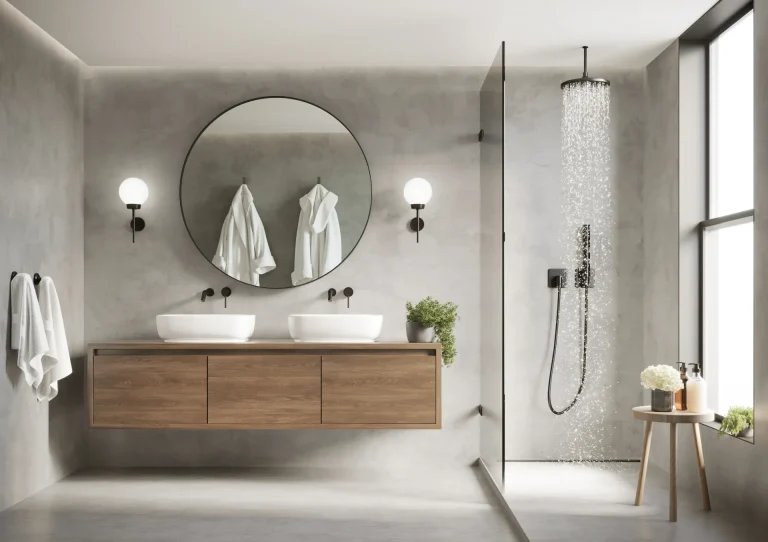
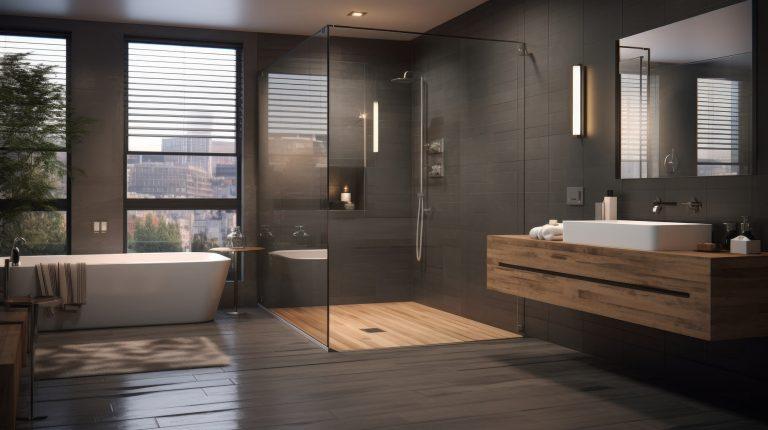
When dealing with small bathrooms, efficient use of space is essential to make the room both functional and visually appealing. With smart design choices and a few creative strategies, even the smallest bathrooms can feel more open and luxurious. Whether you’re working with a compact guest bathroom or trying to optimise an en-suite, this guide offers practical solutions to maximise space in small bathrooms.
1. Choose Compact Fixtures
The first step in maximising space in a small bathroom is choosing compact, space-saving fixtures. Many manufacturers offer fixtures designed specifically for smaller spaces, without compromising on comfort or functionality. Here are some popular options:
- Wall-Hung Toilets and Sinks: These fixtures are mounted directly to the wall, freeing up floor space and creating a clean, modern look. A wall-hung toilet with a concealed cistern also reduces visual clutter.
- Corner Sinks and Toilets: Corner-mounted sinks and toilets are great for making use of awkward spaces. They allow you to free up the central area of the room, making it feel more open.
- Compact Bathtubs: If you’re determined to have a bathtub in your small bathroom, consider installing a shorter, deeper model. These compact tubs take up less floor space while still offering a relaxing soak.
2. Utilise Vertical Space
When horizontal space is limited, turning your attention upwards can make a big difference. Utilising vertical space allows you to add storage and visual interest without sacrificing valuable floor space.
- Wall-Mounted Shelves: Add open or closed shelving units above the toilet, sink, or along any unused wall space. Floating shelves provide storage for toiletries and towels while maintaining a minimalist look.
- Tall Cabinets: Install tall, narrow cabinets or storage units that extend to the ceiling. These are perfect for storing extra towels, cleaning supplies, and less frequently used items.
- Over-the-Door Storage: Don’t forget the back of the bathroom door! Use an over-the-door rack or hooks for storing towels, bathrobes, or toiletries. This is an efficient way to use often-overlooked space.
3. Opt for a Glass Shower Enclosure
Shower enclosures can take up a lot of visual and physical space in a small bathroom. One of the best ways to minimise the impact of a shower is to opt for a glass enclosure or no enclosure at all.
- Frameless Glass Showers: A frameless glass shower enclosure creates the illusion of more space by allowing light to flow freely throughout the room. Without visible frames or bulky doors, the room feels more open.
- Walk-In Showers: If possible, install a walk-in shower with no barrier or threshold. This creates a seamless transition between the shower and the rest of the bathroom, further enhancing the feeling of spaciousness.
- Sliding Shower Doors: If a walk-in shower isn’t an option, consider sliding glass doors for your shower. They save space by eliminating the need for a door that swings outward, and they contribute to a sleek, modern design.
4. Maximise Natural Light
Natural light is a powerful tool in making any small room feel bigger and more inviting. In a bathroom, ample natural light can make the space feel more open and less confined.
- Enlarge Windows: If possible, install a larger window to allow more sunlight into the bathroom. Even a modest increase in window size can significantly brighten the room.
- Frosted or Textured Glass: If privacy is a concern, opt for frosted or textured glass for windows. This will let in natural light while maintaining the privacy you need in a bathroom.
- Mirrors to Reflect Light: Mirrors are an essential design feature in any bathroom, but they can also help make small bathrooms feel larger. Place a large mirror above the sink or across from a window to reflect natural light and visually expand the space.
5. Incorporate Smart Storage Solutions
Clever storage solutions are crucial for maintaining an uncluttered bathroom. By keeping the room tidy and well-organised, you’ll create a more relaxing and spacious environment.
- Built-In Storage: Maximise space by incorporating built-in storage wherever possible. Recessed shelves in the shower or above the sink allow you to store toiletries without taking up any additional space.
- Vanity Units with Storage: Choose a vanity with built-in storage drawers or cabinets to keep essential items out of sight. A floating vanity can also create a sense of more floor space while providing ample storage for towels and toiletries.
- Shower Niches: If you’re renovating or building a new bathroom, consider installing a recessed shower niche. This offers storage for shampoo, soap, and other shower essentials without adding clutter to the space.
6. Use Light and Neutral Colours
Colour can have a huge impact on how spacious a room feels. In small bathrooms, light and neutral colours are key to creating a bright and open atmosphere.
- Light Walls and Flooring: Opt for light colours such as white, soft greys, or pastels for your walls and floors. These shades reflect light and help the room feel bigger. Avoid dark, heavy colours, which can make the space feel more confined.
- Cohesive Colour Scheme: A cohesive, monochromatic colour scheme can make the room feel more continuous and less broken up. This trick prevents the eye from stopping at different colours and textures, creating a more unified and open look.
- Reflective Surfaces: Use reflective materials like glossy tiles, glass, or metallic finishes to bounce light around the room. Reflective surfaces create depth and contribute to the illusion of more space.
7. Choose Space-Saving Doors
The type of door you choose can also influence how much usable space you have in a small bathroom. Consider these space-saving door options:
- Sliding Barn Doors: Sliding doors or barn doors eliminate the need for a traditional door that swings into the bathroom. They slide along the wall or within a frame, freeing up valuable floor space.
- Pocket Doors: Pocket doors slide directly into the wall when opened, allowing you to maximise space both inside and outside the bathroom. They’re a fantastic option for small bathrooms or en-suites where every inch counts.
8. Install Multi-Functional Fixtures
When space is limited, choosing multi-functional fixtures can be a game-changer. Look for items that serve multiple purposes and reduce the number of separate elements in the room.
- Combination Shower and Bath: If you love having both a shower and a bath but don’t have the room for both, consider a combination shower and bath. This gives you the best of both worlds without taking up double the space.
- Heated Towel Rails: Instead of installing a separate radiator and towel rack, combine the two with a heated towel rail. This not only saves space but also keeps your towels warm and dry.
- Mirror Cabinets: A mirror that doubles as a cabinet offers storage without taking up additional wall space. Mirror cabinets provide easy access to toiletries while maintaining a sleek and minimalist appearance.
9. Create Illusions of Space with Design Elements
There are a few clever design tricks that can make small bathrooms feel bigger than they are. Use these visual strategies to create the illusion of more space:
- Large Tiles: Contrary to popular belief, large tiles can make a small bathroom feel bigger. Fewer grout lines create a more seamless look, which prevents the space from feeling too busy.
- Continuous Flooring: Use the same flooring material throughout the entire bathroom, including inside the shower. Continuous flooring creates a more unified look and helps the room feel larger.
- Floating Fixtures: Floating sinks, vanities, and toilets create more visible floor space, which can make the bathroom appear less cluttered and more open.
10. Keep it Minimalist
In small bathrooms, less is often more. A minimalist approach helps avoid overwhelming the space with too many fixtures, colours, or decorations.
- Declutter: Remove any non-essential items from the bathroom and store them elsewhere. Clear countertops and organised storage contribute to a sense of calm and spaciousness.
- Simple Lines and Shapes: Opt for simple, clean lines in your fixtures and fittings. Overly ornate designs can make a small bathroom feel cluttered, while sleek, modern fixtures create an air of simplicity and spaciousness.
Conclusion
Maximising space in a small bathroom is all about making smart design choices and using every inch of the room efficiently. With the right fixtures, storage solutions, and design elements, even the smallest bathroom can be transformed into a functional, stylish, and comfortable space. Whether you’re working with an awkward layout or limited square footage, these tips will help you create a bathroom that feels open, organised, and inviting.