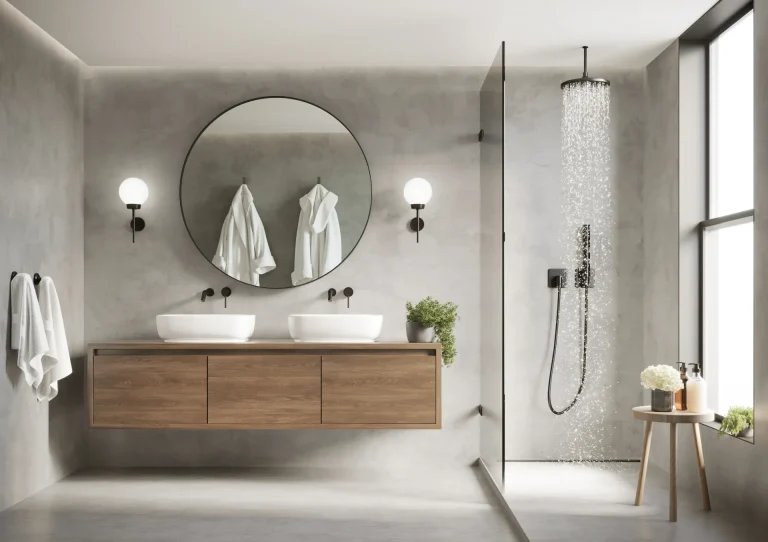
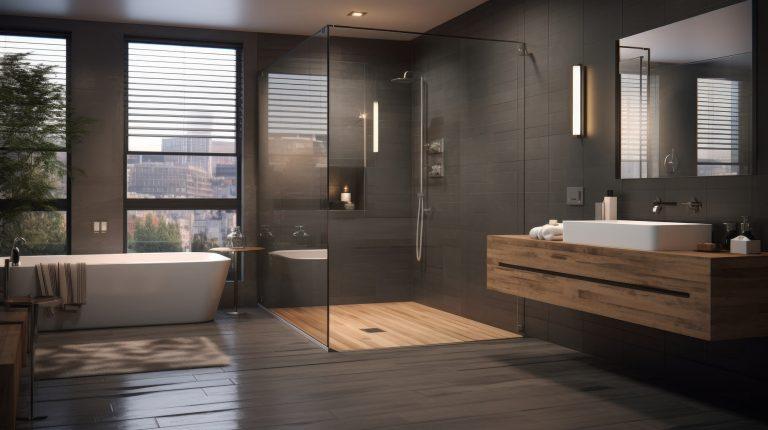
Planning a bathroom renovation can be both exciting and overwhelming. With numerous details to consider, it’s essential to plan carefully to ensure the project runs smoothly and meets your expectations. From setting your budget to selecting fixtures, the process requires careful thought and preparation. This ultimate checklist will help you navigate the renovation process with ease, ensuring you don’t overlook any crucial steps.
1. Set Your Budget
The first step in any renovation is to determine your budget. Setting a clear budget helps you understand the scope of the project and guides your decision-making throughout the process.
- Consider Your Finances: How much are you willing and able to spend? Bathroom renovations can range from a few thousand pounds for basic upgrades to tens of thousands for high-end transformations.
- Allocate Funds for Unexpected Costs: It’s wise to set aside 10-15% of your budget for unforeseen expenses. Hidden issues, like plumbing or electrical problems, can arise during the renovation process.
- Prioritise: If your budget is limited, decide which elements are most important to you. Do you prioritise luxury fixtures, or would you rather invest in durable materials?
2. Assess Your Needs and Goals
Before diving into the design process, take time to evaluate your current bathroom’s functionality. Think about how you use the space and what improvements would make it more comfortable and practical.
- Who Will Use the Bathroom?: Is the bathroom primarily used by a couple, a family, or a guest? This will affect your choice of layout, fixtures, and storage solutions.
- What’s Missing?: Identify pain points in your current bathroom. Do you need more storage? Is the layout cramped? Are you looking to update the style or increase accessibility?
- Future Needs: Consider how your needs might change over time. If you plan to stay in your home for many years, you might want to incorporate accessible design features, such as grab bars or a walk-in shower.
3. Choose the Right Layout
The layout is one of the most critical aspects of a bathroom renovation. Even if you’re not changing the room’s footprint, adjusting the placement of fixtures can improve the flow and functionality.
- Keep Plumbing in Place: Moving plumbing can significantly increase costs. If possible, try to work within the existing plumbing layout. However, if your current layout is inefficient, it may be worth the extra investment to relocate fixtures.
- Maximise Space: Small bathrooms benefit from thoughtful layouts that maximise space. Consider space-saving options like corner sinks, wall-mounted toilets, or a shower-tub combo to free up valuable floor space.
- Accessibility: If you’re renovating with accessibility in mind, ensure there’s enough space for manoeuvring. Wide doorways, low-threshold showers, and easy-to-reach fixtures are crucial for a more accessible bathroom.
4. Select Your Fixtures and Fittings
Choosing the right fixtures and fittings is where you can truly customise your bathroom. The style, finish, and functionality of these elements will greatly influence the overall aesthetic and user experience.
- Toilets: Decide whether you want a standard toilet, a wall-hung model, or one with advanced features like a bidet. Consider water efficiency when choosing your toilet.
- Bathtubs and Showers: Do you want a separate shower and bathtub, a shower-tub combination, or a walk-in shower? Think about your daily routines and preferences when making this decision.
- Sinks and Vanities: Whether you opt for a single or double vanity depends on the space and who uses the bathroom. Choose a vanity with ample storage to keep the bathroom clutter-free.
- Taps and Fixtures: Select taps that complement the overall design of your bathroom. Popular finishes include chrome, brushed nickel, and matte black. Ensure that your choice matches the style and functionality you’re aiming for.
5. Pick the Right Materials
The materials you choose for your bathroom renovation will impact both the look and durability of the space. Bathrooms are subject to moisture, so it’s essential to select materials that can withstand humidity while offering aesthetic appeal.
- Flooring: Choose water-resistant materials like porcelain or ceramic tiles, vinyl, or natural stone. Non-slip finishes are especially important for safety, particularly in wet areas.
- Walls: Tiles are a popular choice for bathroom walls due to their durability and water resistance. However, you can also use water-resistant paint or wall panels for a modern, sleek look.
- Countertops: Bathroom countertops need to be durable and moisture-resistant. Options include quartz, granite, or solid-surface materials. These are both functional and stylish.
- Cabinetry: Select bathroom cabinetry made from moisture-resistant materials to ensure longevity. Laminate and thermofoil are affordable options, while solid wood or plywood offer more durability.
6. Lighting
Lighting plays a crucial role in bathroom design, both for functionality and ambience. Well-planned lighting can make the room feel more open and inviting, while also improving visibility.
- Task Lighting: Task lighting is essential for areas like the vanity, where you need bright, focused light for tasks like shaving or applying makeup. Consider installing wall-mounted sconces or LED mirrors for optimal lighting.
- Ambient Lighting: Overhead lighting provides general illumination for the room. Recessed lighting or a central ceiling fixture can work well for most bathrooms.
- Accent Lighting: Add accent lighting to highlight architectural features or create a relaxing atmosphere. For example, LED strips under cabinets or along the shower can add a luxurious touch.
7. Ventilation
Proper ventilation is essential in a bathroom to prevent mould, mildew, and moisture damage. Ensure your renovation plan includes adequate ventilation to maintain a healthy environment.
- Extractor Fan: Installing a high-quality extractor fan will help remove moisture from the air. Choose a fan that’s appropriately sized for your bathroom’s square footage.
- Natural Ventilation: If your bathroom has a window, ensure it’s easy to open to allow fresh air in. However, in many cases, an extractor fan is a more reliable solution.
8. Storage Solutions
Maximising storage is key to maintaining an organised and clutter-free bathroom. Thoughtful storage solutions can make even a small bathroom feel more spacious.
- Vanity Storage: Choose a vanity with built-in drawers or cabinets to store toiletries, towels, and cleaning supplies.
- Wall-Mounted Storage: Wall-mounted shelves, cabinets, or floating vanities free up floor space while providing essential storage.
- Shower Niches: Recessed shower niches offer storage for shampoo, soap, and other shower essentials without taking up space.
9. Consider Energy Efficiency
Energy-efficient fixtures and materials can help you save on utility bills and reduce your environmental impact. Many energy-efficient options are available for bathrooms, from water-saving toilets to LED lighting.
- Low-Flow Fixtures: Install low-flow toilets, showerheads, and taps to reduce water consumption without sacrificing performance.
- Energy-Efficient Lighting: LED lighting is energy-efficient, long-lasting, and ideal for bathrooms. It consumes less energy and produces less heat than traditional lighting options.
- Insulation: Ensure the bathroom is well-insulated to prevent heat loss, particularly if you’re installing underfloor heating or a heated towel rail.
10. Final Touches and Accessories
Once the major elements of the renovation are complete, it’s time to add the finishing touches. Accessories and décor can elevate your bathroom’s style and make it feel complete.
- Mirrors: Choose a large mirror to reflect light and create the illusion of space. Consider LED mirrors for added functionality.
- Towel Rails and Hooks: Install towel rails, hooks, or a heated towel rack to keep towels organised and within easy reach.
- Décor: Add personal touches like artwork, candles, or plants to enhance the bathroom’s atmosphere. Just be mindful of moisture when choosing decorative items.
11. Hire the Right Professionals
A successful bathroom renovation often requires the expertise of professionals. Hiring experienced tradespeople ensures the work is completed to a high standard and complies with building regulations.
- Bathroom Fitters: A professional bathroom fitter can handle the installation of fixtures, plumbing, and tiling, ensuring everything is done correctly.
- Electricians: Electrical work, such as installing lighting or underfloor heating, should always be done by a qualified electrician.
- Plumbers: If you’re moving or updating plumbing fixtures, a qualified plumber will ensure everything is installed properly and safely.
Conclusion
Renovating your bathroom can transform your home and improve your quality of life, but it requires careful planning. By following this ultimate checklist, you’ll ensure every detail is considered, from budgeting and layout to materials and lighting. With the right approach, your bathroom renovation will not only enhance the aesthetics and functionality of your space but also increase the overall value of your home.